
MIMOS recently served as a high-level hub for intellectual exchange by organising the IEEE EDS Distinguished Lecture Mini Colloquium 2025 on 16 December 2025. This prestigious gathering brought together a diverse cohort of leading experts, researchers, and students to explore the rapidly evolving landscape of electronic devices and semiconductor technologies. From the hallowed halls of academia to the cutting edge of industry, participants engaged in a half-day programme designed to bridge the gap between theoretical research and practical industrial application, ensuring Malaysia remains at the forefront of global microelectronics innovation.
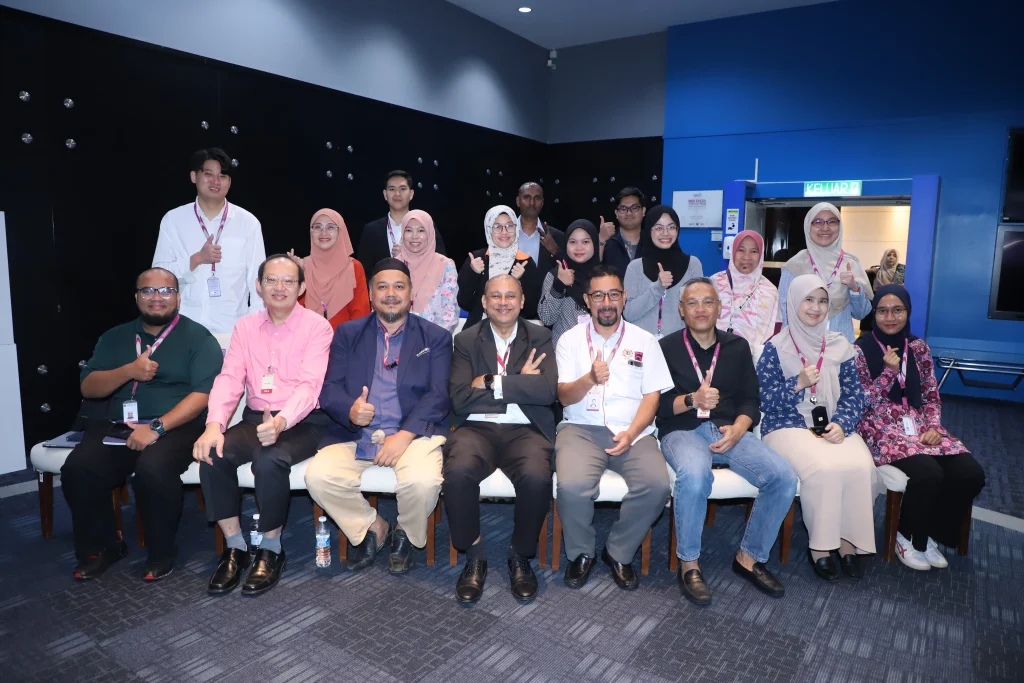
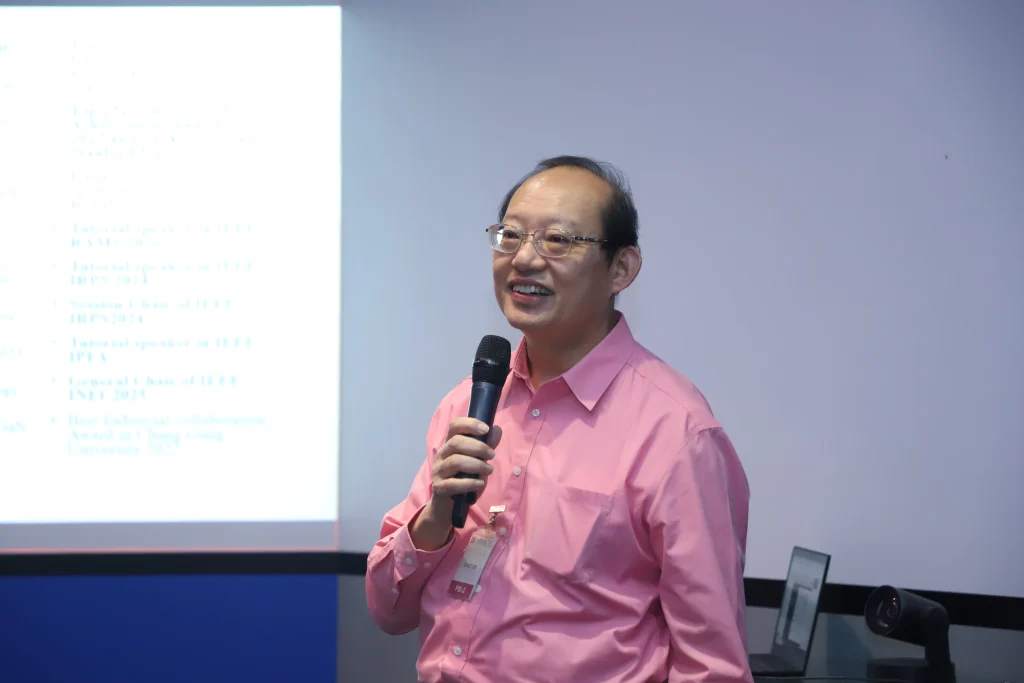
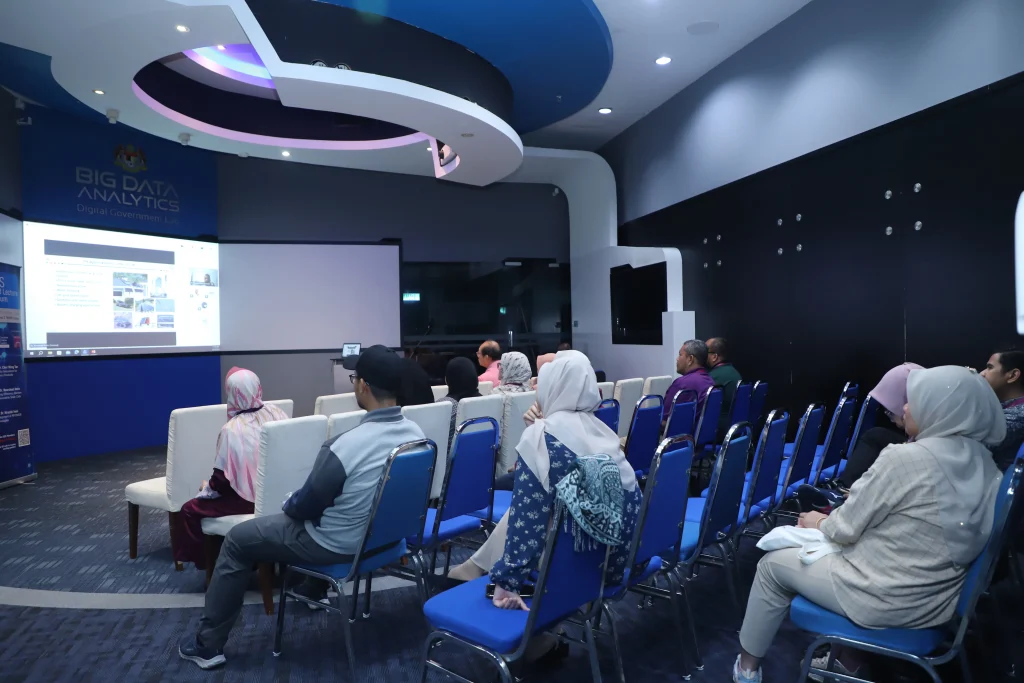
The colloquium featured an intensive technical session at the MIMOS BDA Lab, focusing on the pillars of modern engineering: reliability engineering, RF CMOS (Radio Frequency Complementary Metal-Oxide-Semiconductor) technologies, and next-generation solar cell innovations. Attendees had the unique opportunity to gain insights from a distinguished line-up of speakers, including the MIMOS President and Group CEO, Dr. Saat Shukri Embong, as well as renowned global figures such as Professor Dr. Cher Ming Tan, Professor and Director of Center of Reliability Science & Technology (CREST), Taiwan. The event also leveraged digital connectivity to host virtual lectures by international luminaries, including Emeritus Professor Hiroshi Iwai of Tokyo Institute of Technology, Japan, and Professor Dr Nowshad Amin of Islamic University of Madinah, Saudi Arabia, providing a truly global perspective on the future directions of the semiconductor sector.
Beyond the technical lectures, the programme served as an ideal platform for cultivating cross-sector collaboration and inspiring the next generation of innovators. The colloquium encouraged the kind of spontaneous dialogue that often sparks future breakthroughs by facilitating networking opportunities throughout the day. This successful engagement emphasised MIMOS’ enduring commitment to strengthening the ties between academic research and industry needs, ultimately accelerating the development of the high-impact technologies that will define the digital economy of tomorrow.