
By Maizatul Amira binti Muhamad, Raja Mariam Ruzila binti Raja Ahmad Sufian & Farah A’dibah binti Asmadee
“Would you trust a video of a famous person promoting an investment opportunity?”
The question sounds simple, until the video looks completely real and convincing. A person’s face, voice and expressions appear authentic, but the entire video could have been created or manipulated using artificial intelligence (AI). This is the reality of deepfakes, where AI-generated content is becoming increasingly convincing and more difficult to distinguish from genuine information.
As AI continues to transform how digital content is created, distinguishing between genuine and manipulated information is becoming increasingly difficult. From realistic videos and cloned voices to AI-generated images and fake news, deepfakes are no longer a futuristic concept, they are today’s reality. While these technologies offer exciting opportunities for innovation, they can also be exploited for scams, impersonation and the spread of false information.
To better understand how Malaysians perceive these emerging challenges, MIMOS Berhad hosted the National Dialogue on Trusted Intelligence on 8 July 2026. The event brought together more than 100 participants from government, industry, academia and the technology community to exchange perspectives and discuss the future of AI, digital trust and the importance of collaboration in building a trusted digital ecosystem for Malaysia.
During the session, MIMOS conducted a short interactive poll to engage with participants and understand their thoughts in real time. Participants shared their views on deepfakes and online trust, and their responses revealed not only growing awareness of the issue but also valuable insights into how people perceive digital threats and what they believe is needed to strengthen trust online.
Deepfakes Are No Longer Unfamiliar
Artificial intelligence is becoming part of our everyday lives, and so is AI-generated content.
The question, ‘Have you ever encountered a suspected AI-generated content?’, helped us gauge how familiar respondents were with synthetic media in their daily lives. As AI-generated content becomes increasingly common on social media, messaging platforms, and news channels, the responses provide a snapshot of public exposure to this emerging technology.
AI content has evolved far beyond deceptive fakes and promotional scams. It is now being used for clever, humorous, and highly engaging storytelling, from animated household objects bringing everyday humour to life, to turning simple static photos into dynamic videos in mere seconds, today’s AI tools make creative production effortless. Concepts that once belonged strictly in sci-fi are now accessible to anyone with a few clicks. However, the same tools that create entertaining content can also be used to generate convincing fake videos, clone voices, or manipulate images for nefarious intent.
Figure 1 shows 85% of participants have encountered suspected AI-generated content, demonstrating that AI-generated content is widely circulating across social media platforms.
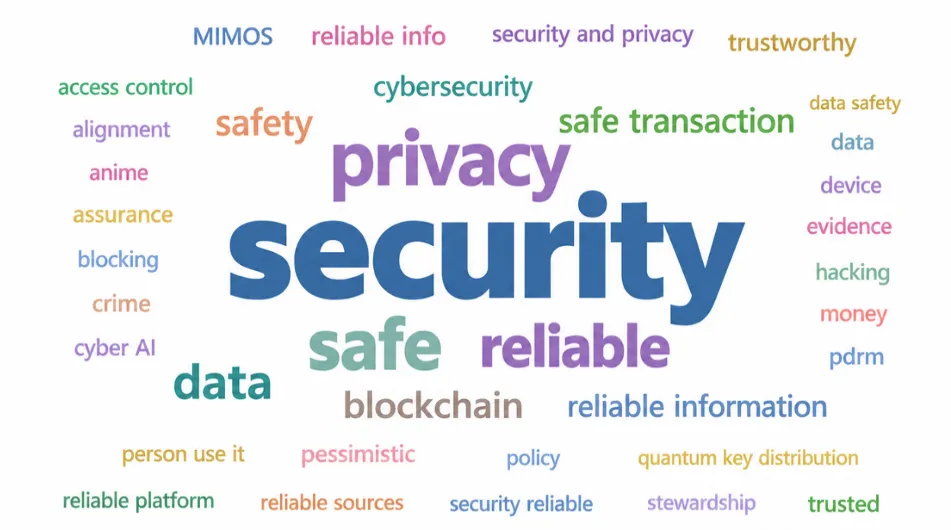
Figure 1. Poll Results: AI-Generated Content Encounters
But how well do we truly understand deepfakes? While the term carries a strong negative connotation, as reflected in Figure 3, where words like fraud, deception, crime, risk, and misinformation dominate the public sentiment, these associations only scratch the surface. While public awareness of these risks is a positive step, it overlooks the core issue. Deepfakes are no longer just a conceptual risk, they are increasingly being weaponised for financial scams, identity theft, and large-scale disinformation campaigns.
However, the real challenge goes beyond fake videos. The greatest risk is that deepfakes can gradually erode digital trust. When manipulated content becomes increasingly realistic, people will begin to question everything they see and hear online, even genuine videos, photographs or official announcements.
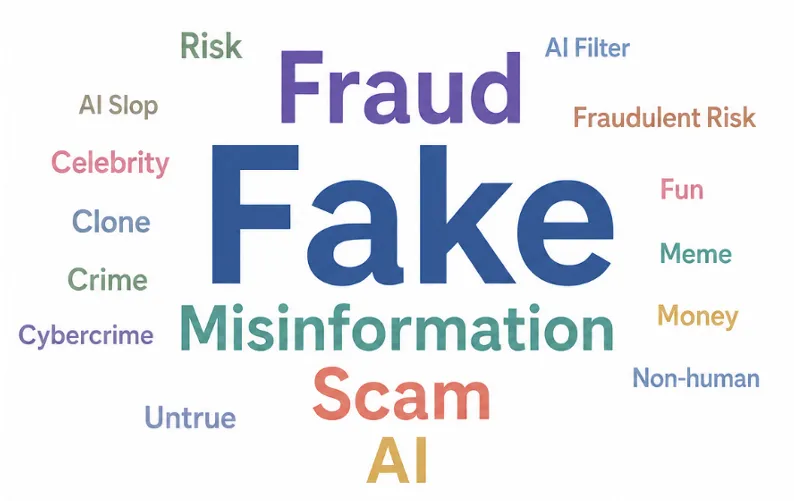
Figure 2. Word Cloud
The Dark Side of Synthetic Content
Do we know how serious the threat really is?
AI content has rapidly transitioned from mindless scrolling and creative novelties into a serious operational and security challenge.
The same capabilities that power harmless voice clones and dynamic images can now impersonate key figures, spread disinformation, and drive financial fraud. Beyond individual harm, this technology threatens public trust and national security infrastructure. This shift is clearly reflected in Figure 4, where 75% of participants categorised deepfakes as a significant threat to national security.
The discussion extended beyond the technology itself to its real-world impact. Deepfakes can be used to influence public opinion, damage reputations, commit financial fraud and create confusion during times of crisis. Even more worrying is their ability to erode trust. When people can no longer tell what is real, they may begin to doubt genuine information as well.
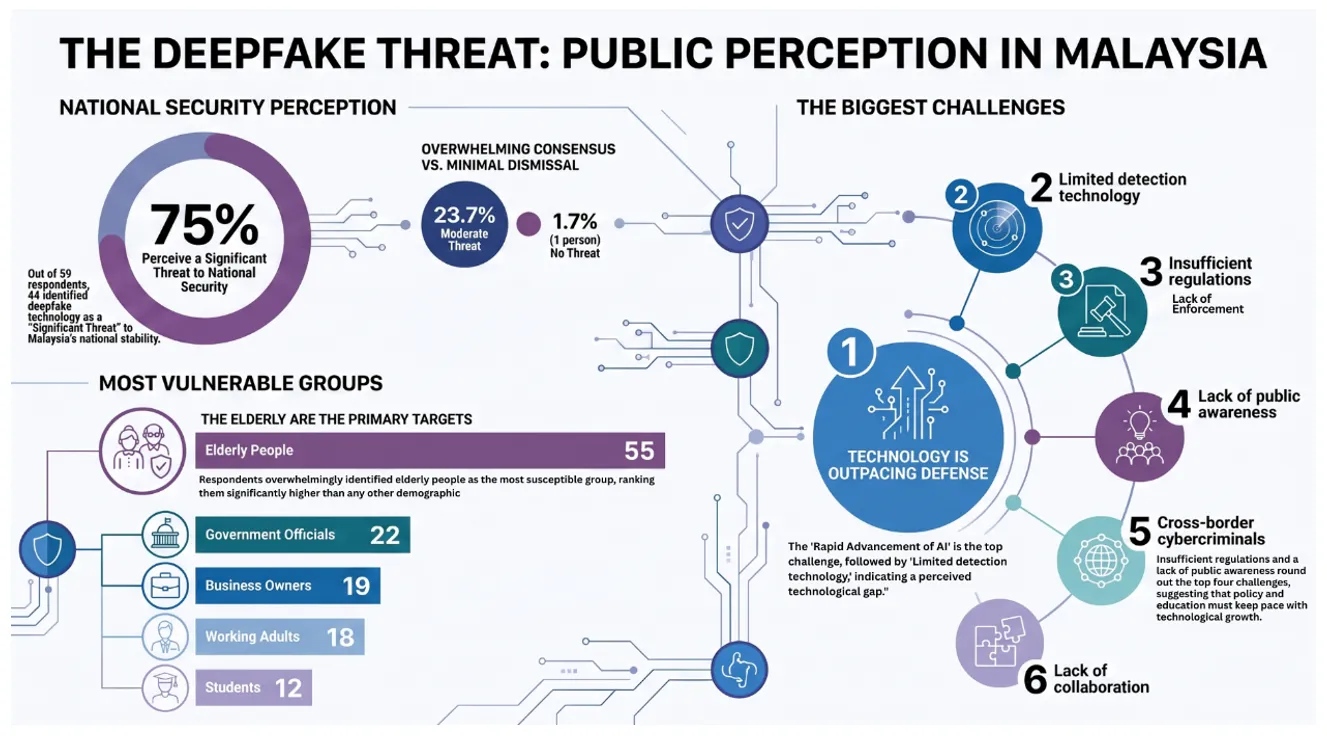
Figure 3 : The Deepfake Threat: Public Perception in Malaysia
Participants were asked who they believe is most vulnerable to deepfake-enabled scams and what the biggest challenges are in combating these crimes. The responses suggest that elderly people
are the most vulnerable, and protecting society requires more than advanced detection technologies, it also depends on greater public awareness, stronger regulations, effective collaboration, and the ability to keep pace with the rapid evolution of AI.
Together, these insights illustrate an important shift in public perception. Deepfakes are increasingly seen not merely as an online inconvenience, but as a broader societal challenge that requires coordinated action from government, industry, academia, and the public to safeguard trust in the digital ecosystem.
Verify Before You Trust: Building Digital Trust Starts with Us
Every day, we scroll through hundreds of posts, videos, and headlines. But how often do we stop to ask ourselves:
“Is this actually real?”
Digital trust begins with individual responsibility. Before sharing information online, it is worth taking a moment to question its authenticity, verify its source, and consider whether it could have been manipulated. These everyday habits may seem small, but they are becoming essential digital skills in an era where convincing AI-generated content can spread rapidly across online platforms.
The findings reflect encouraging signs that many participants already question the authenticity of online information and verify content before believing or sharing it. Based on the poll, 64% said they regularly verify online content (Figure 5), showing that awareness of digital misinformation is growing. As AI continues to evolve, critical thinking and digital literacy are just as important as technological solutions in protecting ourselves from misinformation and deception. At the same time, it also reminds us that verification cannot be an occasional habit, it must become a consistent part of our digital behaviour.
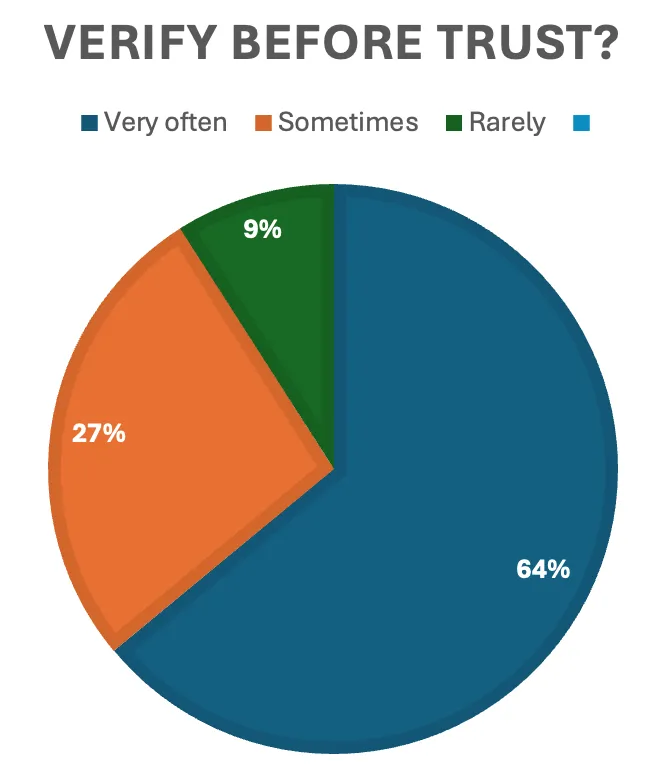
Figure 4 : Result for question ‘Do people verify before trust?’
It is important to recognise that we cannot solely trust what we see on social media. Remember, every time you encounter online content, remind yourself to question and verify it. Then, should you share it?
Deepfakes and AI-generated content are no longer limited to videos. They can appear as cloned voices, manipulated images, fabricated news articles, or seemingly authentic social media posts, making digital deception more convincing than ever. In an environment where anything can be created or altered, trust should never be based on appearance alone. Instead, we must develop the habit of verifying before trusting because in the age of AI, seeing is no longer believing.
Ultimately, building a trusted digital ecosystem starts with each of us. Trust should be built through verification, not assumptions. Thus, before believing, sharing, or reacting to online content, remember three simple steps:
Question it. Verify it. Share it responsibly.
If deepfakes reduce trust, then how is it restored?
From Artificial Intelligence to Trusted Intelligence
In this AI and digital era, we cannot simply eliminate AI to combat deepfakes, rather, we must ensure AI can be trusted. To understand what drives digital trust, we asked participants to identify what makes online information more trustworthy, whether it is verification from trusted sources, fact-checking labels, government confirmation, or greater public awareness, the responses received from participants highlight the mechanisms people value most when deciding whether to trust digital information. Figure 6 shows the poll results:
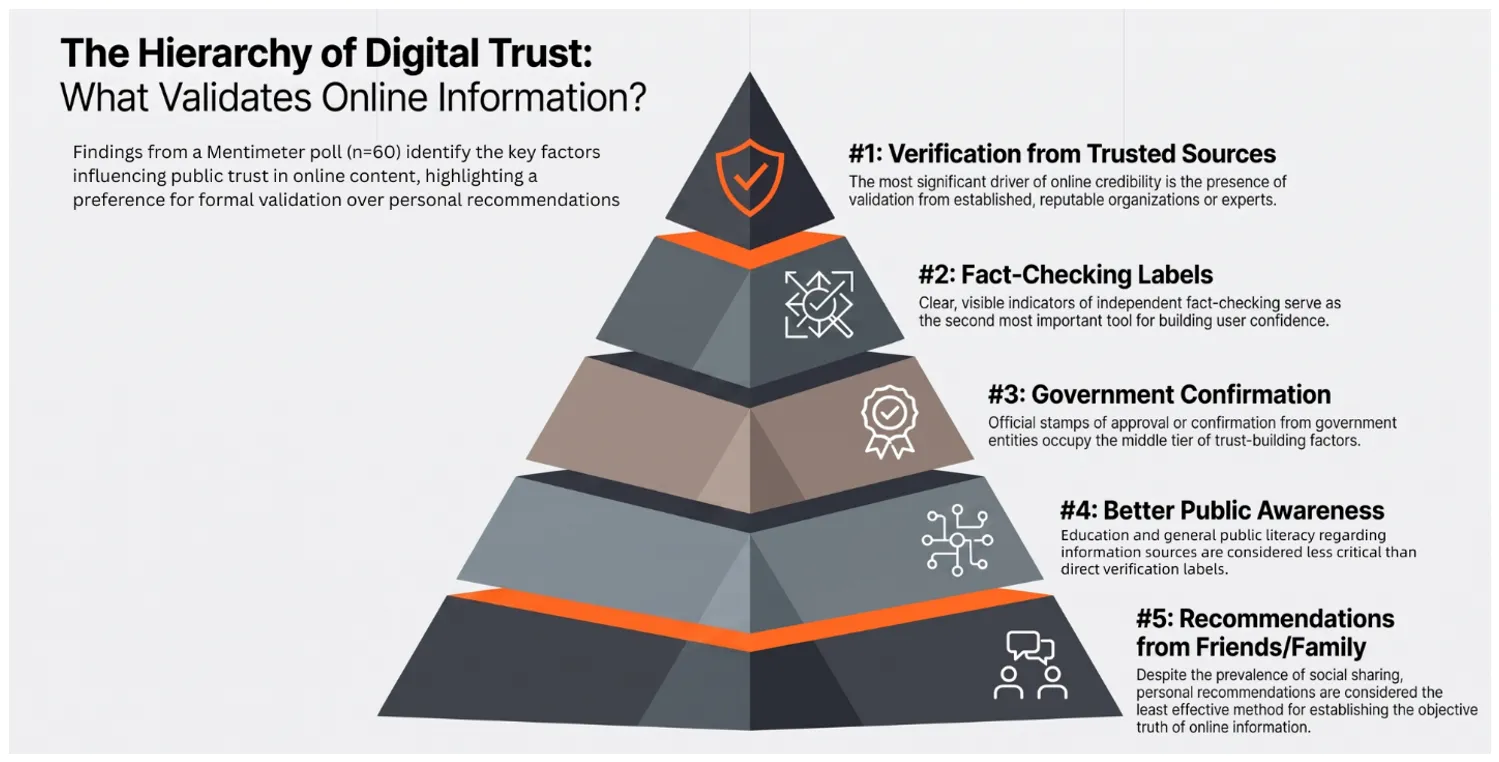
Figure 5 : The Hierarchy of Digital Trust
These findings show that digital trust is built through a combination of technology, transparency and informed decision-making. While AI can help detect manipulated content, trust ultimately depends on credible institutions, reliable information and people who take the time to verify what they see.
For policymakers, researchers and technology developers, the message is equally clear. Building a trusted digital ecosystem requires more than developing advanced AI tools. It also means strengthening governance, improving public awareness and creating trusted ways to verify digital content.
Key Takeaways
The National Dialogue on Trusted Intelligence highlighted an important reality: deepfakes are no longer a future concern, they are already part of today’s digital world.
The interactive poll revealed three key insights:
- Awareness is growing. Most participants have encountered AI-generated content, and recognise it as a growing digital challenge.
- Trust is becoming more important. People are becoming more cautious when consuming online information, yet convincing AI-generated content can still influence decision-making.
- Verification is essential. Participants consistently highlighted the importance of verification, reliable information, and greater public awareness in building a safer digital environment.
The findings from this interactive poll reinforce that addressing deepfake-related challenges requires more than individual vigilance; it requires collective action. As artificial intelligence continues to evolve, strengthening digital trust will require more than technology alone. It also depends on informed citizens, responsible innovation, effective governance, and strong partnerships across the digital ecosystem.
This is where Trusted Intelligence becomes essential, an approach that combines advanced AI with verification, transparency, reliability, and accountability, enabling people to have greater confidence in the authenticity of the information they receive.
As Malaysia’s national applied research and development centre, MIMOS is committed to advancing technologies that strengthen digital trust while fostering collaboration across government, industry, academia, and technology partners.
Combating AI-generated misinformation and digital deception is not the responsibility of a single organisation. Building a trusted digital ecosystem requires the collective expertise of researchers, policymakers, technology providers, industry players, and the public. By working together, we can co-develop innovative solutions, share knowledge, and strengthen our collective ability to detect emerging threats while protecting citizens from digital deception.
In the age of AI, the most important question is no longer “Can AI create this?” but rather “Can we trust what we see?” At MIMOS, we believe building that trust is essential to shaping a secure, resilient, and trusted digital future for Malaysia.
Join the conversation. Visit mimos.my to learn how MIMOS is helping build Malaysia’s trusted digital future.